
Sunday, June 21, 2015
A Clear Sign of a very confused Jew
A local G-d fearing Jew gave a knock on the store door this week asking if I can assist him. He was looking for someone who can give some holy books he had that were no longer in use a proper burial. Between the prayerbooks and standard Rabbinic Texts, I found a New Testament, an "Orthodox Jewish Version".


Monday, May 11, 2015
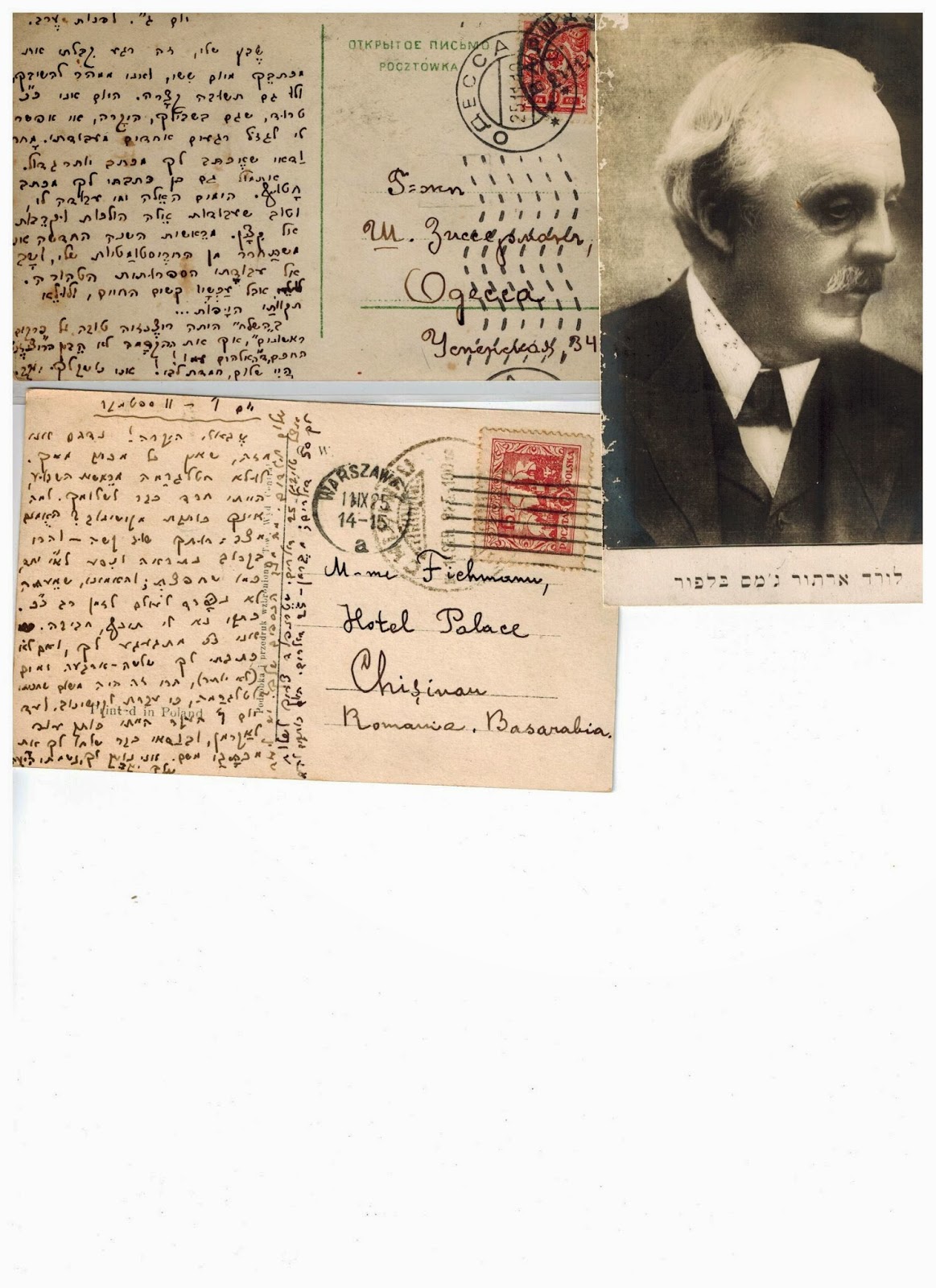
Love letters written by Jacob Fichman to his wife Batsheva During WWI מכתבי אהבה של יעקב פיכמן
I discovered recently a great trove of Hebrew Postcards sent from Jacob Fichman to his wife, after they were separated from each other during WWI. He moved from city to city and from job to job, for a while working for the publishing house Tushiya. She appears to have been in Chisinau and in Odessa during the war.
His letters bear a common theme, he is rather upset with Shevale, his nickname for his wife Batsheva, for not corresponding regularly and never at length. He also writes of his attempts to send her money, but that the war conditions were preventing any such transfer of funds. Much insights can be gleaned from his writings as to what life was like for a famous Hebrew Writer in the early 20th century and their struggles for financial stability.


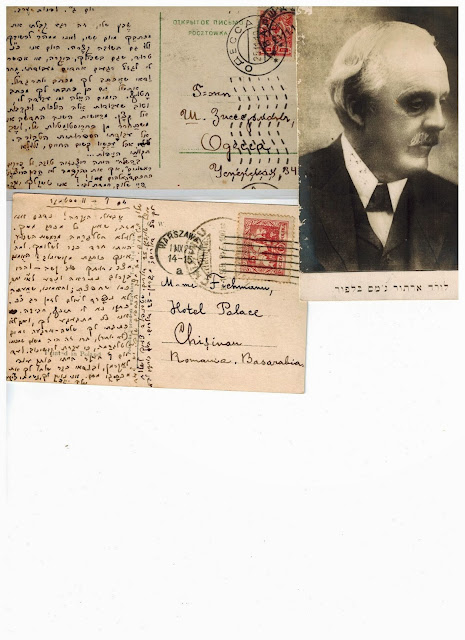


His letters bear a common theme, he is rather upset with Shevale, his nickname for his wife Batsheva, for not corresponding regularly and never at length. He also writes of his attempts to send her money, but that the war conditions were preventing any such transfer of funds. Much insights can be gleaned from his writings as to what life was like for a famous Hebrew Writer in the early 20th century and their struggles for financial stability.




 |
| Yaakov and Batsheva Fichman's joint tombstone |
The Jews of Baghdad and the (lack of) books printed in Vilna by Romm
In 1947, Avraham Yaari published the travel diary of Ephraim Neimark , an emissary from Tiberias, to Syria, Kurdistan, Iraq, Iran and Central Asia.
Neimark was a very keen observer and made note of many important observations of the Jewish Communities he traveled through as well as the general population. He also noted in every settlement he arrived, the condition of the Jews and their relations with their gentile neighbors.
In his writing on Baghdad he notes a curious thing; he writes how the worse curse you can give a Baghdadi is to call him a Widow's husband. A widow was considered such horrible luck that people would not purchase any books printed in Vilna by the Widow Romm's press. He writes that if you do not believe him, you can ask Shlomo Hussin, the local publisher and bookseller. He goes on to write "For those of you had did not understand the verse in Ben Sira בת לאביה מטמון שוא ( A daughter to her father is like a false treasure) shall travel to Baghdad and see how all his words were correct."


Neimark was a very keen observer and made note of many important observations of the Jewish Communities he traveled through as well as the general population. He also noted in every settlement he arrived, the condition of the Jews and their relations with their gentile neighbors.
In his writing on Baghdad he notes a curious thing; he writes how the worse curse you can give a Baghdadi is to call him a Widow's husband. A widow was considered such horrible luck that people would not purchase any books printed in Vilna by the Widow Romm's press. He writes that if you do not believe him, you can ask Shlomo Hussin, the local publisher and bookseller. He goes on to write "For those of you had did not understand the verse in Ben Sira בת לאביה מטמון שוא ( A daughter to her father is like a false treasure) shall travel to Baghdad and see how all his words were correct."


Article in the Forward Today about Mizrahi Bookstore
The forward today had an article about Mizrahi Bookstore, if you haven't seen it yet, you can read the article here and the Yiddish version can be read here. Many thanks to Batya Ungar-Sargon for the splendid writing, to Marisa Scheinfeld for managing to get great photographs despite the mess and thanks to S. for making it happen.
1948-2015 North Baldwin Jewish Center, an end of a community
The Baldwin Jewish Center moved in to it's magnificent location in 1948. A large and impressive building, it had a large sanctuary and ballroom, classrooms and a library. At it's height, over 1,000 people would show up for the high holidays, overflowing the sanctuary in to the ballroom.
As with many Long Island Jewish Communities, the younger generation often chose to live elsewhere and as the older generation passed on, the synagogue was left barren. The property has since been sold and is now owned by a Catholic Church. Here are some photos of the synagogue that let you imagine what life there was like in it's heyday. Notice the antisemitic graffiti that has now found itself on the announcement board.


As with many Long Island Jewish Communities, the younger generation often chose to live elsewhere and as the older generation passed on, the synagogue was left barren. The property has since been sold and is now owned by a Catholic Church. Here are some photos of the synagogue that let you imagine what life there was like in it's heyday. Notice the antisemitic graffiti that has now found itself on the announcement board.
A Letter written by R. Avraham Yitzchak Gershonivitz about his future son-in-law R. Michel Yehuda Lefkowitz
Part of a large collection of letters I recently acquired I found this interesting letter written by R. Avraham Yitzchak Gershonovitz to Rav Yosef Eliyahu Henkin and his org. the Ezrat Torah in 1940.
R. Gershonovitz writes about his financial plight. The Hazon Ish was the shadchan for his daughter, who was engaged to the then young Michel Yehuda Lefkowitz. He describes the many great qualities of the young groom and says that they were engaged for a long time and were unable to make a wedding due to the lack of funds.
It is unknown if and how Rav Henkin responded but the wedding did eventually take place but only on Lag Baomer of the year, many months after the 4th of Kislev when this letter was penned.
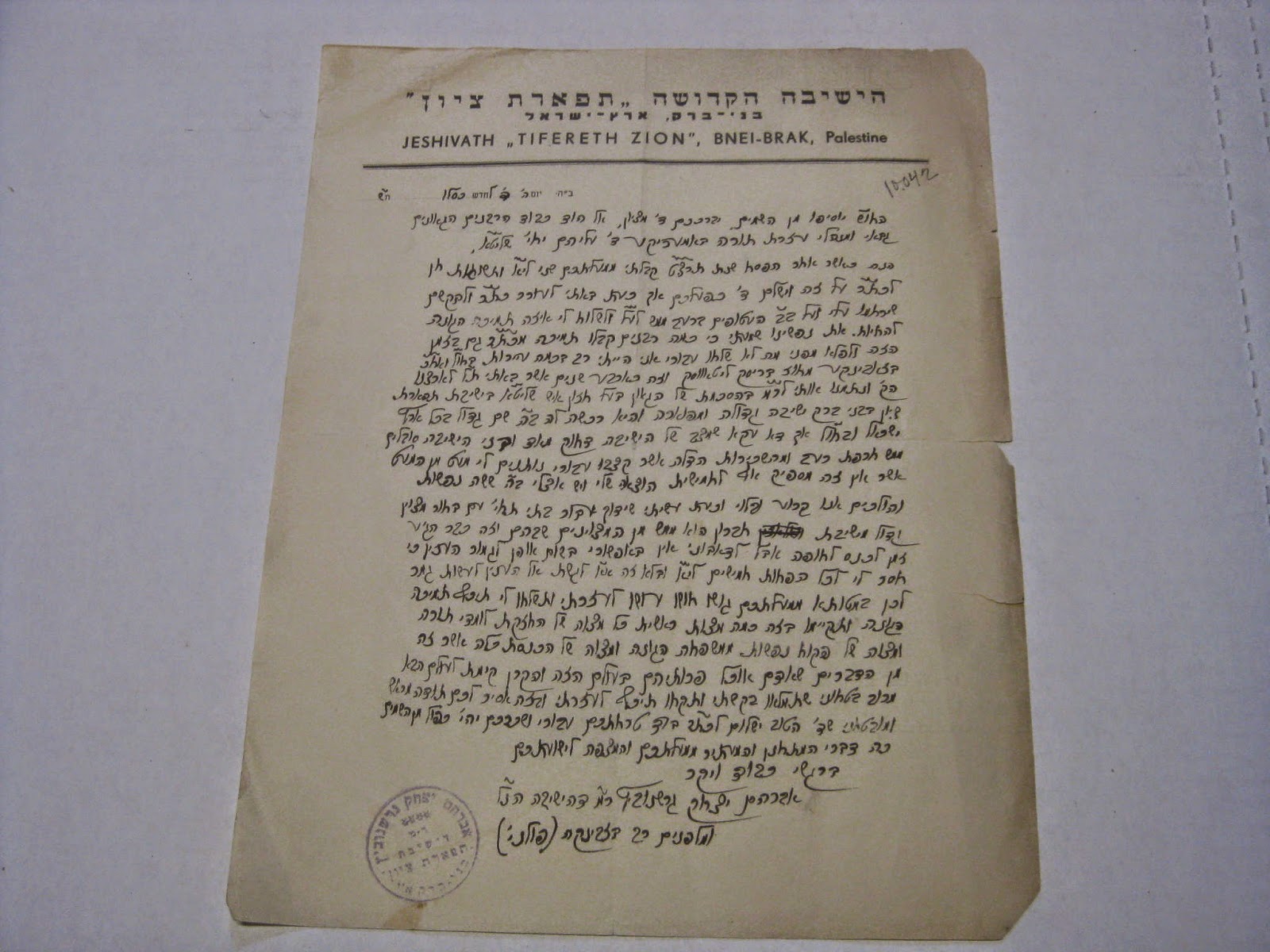


R. Gershonovitz writes about his financial plight. The Hazon Ish was the shadchan for his daughter, who was engaged to the then young Michel Yehuda Lefkowitz. He describes the many great qualities of the young groom and says that they were engaged for a long time and were unable to make a wedding due to the lack of funds.
It is unknown if and how Rav Henkin responded but the wedding did eventually take place but only on Lag Baomer of the year, many months after the 4th of Kislev when this letter was penned.
Correspondence Between Isaac Leib Peretz and Yehoash
Letters written by I. L. Peretz rarely surface, thus I was much delighted to find 2 of his letters to Yehoash, which I found good homes for this week. One is in Hebrew and one is in Yiddish, written beautifully, they display his great friendship with Yehoash and his encouragement of his writing as well as Peretz's Zionism. I though it would be of use to post here scans of the letters so they can be enjoyed by a wider audience.


A Book Printed in the Holocaust, and inscribed after redemption
I recently came across a copy of a Shulchan Aruch printed in Budapest in 1941, while the Jews of the neighboring countries were already being massacred. On the free-end of this volume, was an inscription " תש"ח שנה ראשונה למלכות ישראל יצחק אייזיק כאהן"
"5748 (1948) year one for the kingdom of Israel"
Only a few years apart, a great reflection of the extremes in the condition of the Jews in history.

 hat-tip: Shimon Hook
"5748 (1948) year one for the kingdom of Israel"
Only a few years apart, a great reflection of the extremes in the condition of the Jews in history.


Sunday, March 29, 2015
The Scandal of the exploitation of Rabbis and the strike of the editors in the creation of Otzar HaPoskim אוצר הפוסקים
Otzar HaPoskim אוצר הפוסקים is a Rabbinic Institute operating in Jerusalem since the 1940s. Ironically, the founding of the organization, a branch of התאחדות הרבנים פליטי רוסיא was intended as a way to provide an honorable living for the many immigrant Rabbis who arrived in Palestine after the Holocaust (see in length, the introduction to Otzar Haposkim Vol I). The head of the organization was Rabbi Shmuel Kipnis, and after his passing, it was headed by his son, Rabbi Mordechai Kipnis. The project received twice the prestigious Pras Harav Kook פרס הרב קוק לספרות תורנית award.
I recently stumbled across a treasure trove of documents relating to the organization from the 1970s. The documents include numerous correspondence between the actual editors working for the Otzar Haposkim and the manager, Rabbi Kipnis.
Apparent from these letters is the massive rift between the employer and the employees, with very strong worded letters sent to Rabbi Kipnis from the employees regarding their working conditions. Each letter is signed by every one of the editors. Here is a small sample of the contents of the letters, you can read some of the letters in their entirety below:
אנו מבקשים להפסיק מיד את ההשפלה המדהימה בשליחת שליחים לבדוק את נוכחותינו דבר שאין לו תקדים בשום מקום
We are requesting an immediate stop to the outstandingly degrading practice of sending messengers to check our attendance, something which has no precedence in any place
נשבית את העבודה ביום שני משעה 10-12 וניכנס לביה"כ לומר פרקי תהלים
ניאלץ לאחוז באמצעים דרסתיים ובמאבק קשה עד כדי הזמנה לדין תורה והשבתת העבודה
we will start a strike this Monday from the hours 10-12, we will enter the Bet Knesset and recite chapters of Tehillim.
We will be forced to take drastic measures and harsh tactics including bringing the matter to a Din Torah and imposing a strike
הננו מביעים את מחאתנו על הלנת שכר
We are hereby expressing our protest for withholding our wages
אנו דורשים לא להפעיל את שעון הנוכחות עבור עובדי המערכת
We demand to not impose the attendance check on the workers of the institution.
להוי ידוע שלא נסכים בשום פנים ואופן לנשל אותנו מזכיותנו
It shall be made known, that we will not allow in any way or form a removal of our rights
כל עיכוב במשכורת אפילו עיכוב חלקי יראה כהלנת שכר והרעת יחסי העבודה
Any delay in our paycheck even a partial delay will be perceived as withholding our salary and unlawful work conditions
הננו חוזרים איפוא על דרישותינו: א תשלום תוספת המשכורת. ב. תשלום משכורת החודשית בזמנו. ג. מניעת קיפוחים ושמירת זכיותינו להבא. ד. להוסיף בהוצאות אחרות כל עוד אין המוסד...
We are hereby reiterating our demands: 1. The additional payment on our paycheck. 2. Our monthly paychecks in a timely manner. 3. A halt to our loss of rights and ensuring they are preserved in the future. 4. Not to continue additional spending until our salaries have been paid..
להחזיר לנו מכשיר טלפון עצמאי שנלקח מאתנו זה כשנה ועוד שיתוקן הדבר לתת הוראה לא להפריע ולא להפסיק באמצע שיחתנו ואף לא להאזין לשיחות
We demand that our personal telephone be returned that was taken from us about a year ago, and it shall also be remedied and be instructed that we shall not be bothered in the middle of our conversations and that our phone conversations should not be listened in to.


I recently stumbled across a treasure trove of documents relating to the organization from the 1970s. The documents include numerous correspondence between the actual editors working for the Otzar Haposkim and the manager, Rabbi Kipnis.
Apparent from these letters is the massive rift between the employer and the employees, with very strong worded letters sent to Rabbi Kipnis from the employees regarding their working conditions. Each letter is signed by every one of the editors. Here is a small sample of the contents of the letters, you can read some of the letters in their entirety below:
אנו מבקשים להפסיק מיד את ההשפלה המדהימה בשליחת שליחים לבדוק את נוכחותינו דבר שאין לו תקדים בשום מקום
We are requesting an immediate stop to the outstandingly degrading practice of sending messengers to check our attendance, something which has no precedence in any place
נשבית את העבודה ביום שני משעה 10-12 וניכנס לביה"כ לומר פרקי תהלים
ניאלץ לאחוז באמצעים דרסתיים ובמאבק קשה עד כדי הזמנה לדין תורה והשבתת העבודה
we will start a strike this Monday from the hours 10-12, we will enter the Bet Knesset and recite chapters of Tehillim.
We will be forced to take drastic measures and harsh tactics including bringing the matter to a Din Torah and imposing a strike
הננו מביעים את מחאתנו על הלנת שכר
We are hereby expressing our protest for withholding our wages
אנו דורשים לא להפעיל את שעון הנוכחות עבור עובדי המערכת
We demand to not impose the attendance check on the workers of the institution.
להוי ידוע שלא נסכים בשום פנים ואופן לנשל אותנו מזכיותנו
It shall be made known, that we will not allow in any way or form a removal of our rights
כל עיכוב במשכורת אפילו עיכוב חלקי יראה כהלנת שכר והרעת יחסי העבודה
Any delay in our paycheck even a partial delay will be perceived as withholding our salary and unlawful work conditions
הננו חוזרים איפוא על דרישותינו: א תשלום תוספת המשכורת. ב. תשלום משכורת החודשית בזמנו. ג. מניעת קיפוחים ושמירת זכיותינו להבא. ד. להוסיף בהוצאות אחרות כל עוד אין המוסד...
We are hereby reiterating our demands: 1. The additional payment on our paycheck. 2. Our monthly paychecks in a timely manner. 3. A halt to our loss of rights and ensuring they are preserved in the future. 4. Not to continue additional spending until our salaries have been paid..
להחזיר לנו מכשיר טלפון עצמאי שנלקח מאתנו זה כשנה ועוד שיתוקן הדבר לתת הוראה לא להפריע ולא להפסיק באמצע שיחתנו ואף לא להאזין לשיחות
We demand that our personal telephone be returned that was taken from us about a year ago, and it shall also be remedied and be instructed that we shall not be bothered in the middle of our conversations and that our phone conversations should not be listened in to.
 |
| אנו מבקשים להפסיק מיד את ההשפלה המדהימה בשליחת שליחים לבדוק את נוכחותינו דבר שאין לו תקדים בשום מקום |
 |
 |
| "הננו מביעים את מחאתנו על הלנת שכר" |
 |
| אנו דורשים לא להפעיל את שעון הנוכחות עובר עובדי המערכת |
 |
| "להוי ידוע שלא נסכים בשום פנים ואופן לנשל אותנו מזכיותנו" |
 |
| כל עיכוב במשכורת אפילו עיכוב חלקי יראה כהלנת שכר והרעת יחסי העבודה |
 |
| "הננו חוזרים איפוא על דרישותינו: א תשלום תוספת המשכורת. ב. תשלום משכורת החודשית בזמנו. ג. מניעת קיפוחים ושמירת זכיותינו להבא. ד. להוסיף בהוצאות אחרות כל עוד אין המוסד..." |
 |
| להחזיר לנו מכשיר טלפון עצמאי שנלקח מאתו זה כשנה ועוד שיתוקן הדבר לתת הוראה לא להפריע ולא להפסיק באמצע שיחתנו ואף לא להאזין לשיחות |
 |
| נשבית את העבודה ביום שני משעה 10-12 וניכנס לביה"כ לומר פרקי תהלים ניאלץ לאחוז באמצים דרסתיים ובמאבק קשה עד כדי הזמנה לדין תורה והשבב העבודה |
Guest Post: Rabbi Shalom Rivkin's copy of a Talipyot Journal
By Jacob D.
Aside for the main reward of visiting a good used Jewish bookstore (finding rare books that are long out of print, or finding books that are still being sold in new bookstores but sometimes for double, or maybe even triple the price), there's another benefit which I've learned to look out for over the years. Occasionally we come across books that have once belonged to interesting people, and sometimes aside for leaving us their name or book plate we are treated and left with their notes which they've jotted down on the margins, or inside the covers. I would like to share an example.
Not too long back JudaicaUsed acquired a large portion of a deceased rabbi's library, the library of R' Shalom Rivkin OB"M, the chief rabbi of St. Louis. (see the excellent Wikipedia page on him here ). In some of his books I came across some interesting notes he jotted down on the margins. One book was a worn out volume of the fine Jewish quarterly Talpioth (vol.6 no. 1-2 March 1953).

From marks he made in the table of contents and throughout the book it seems that he made it his business to read almost the entire journal comprised of random essays in Jewish scholarship, ranging from philosophy and history, to Halakha, Hasidut, and Kabbalah.


Notice that he doesn't mark down the article on pg. 423, notes on the Me'iri by R' Dovber Zuckerman, soon to be his very own father in law ! The notes are on Me'iri to tractate Mikva'ot, so how many people can be expected to read notes on a medieval commentary to a complicated tractate in a journal? But no worry, when we open the pages of R' Zuckermans notes we see R' Rivkin's pencil marks testifying that he certainly didn't skip over these pages and at least read it somewhat. Here is where it begins to get interesting. I'm sure that most of the readers are acquainted with the topic of the antiquity and authenticity of the Zohar. There is nothing I can add to that topic. The discussion of "did the Rambam know Kabalah" (or did Kabalah use the Rambam etc) is also pretty well known I'd assume, and to that too I have nothing to add. It is interesting though to notice the following. R' Yeruham Leiner of Radzin wrote notes on the Zohar in this journal starting on page 410. In a note on page 413 he makes a claim that a certain Zohar Hadash in Bereshit is the source for a Rambam in hilkhot De'ot.


As you can see R' Rivkin corrects R' Leiner and says that this can't be THE source to Rambam but rather just A source because Rambam never saw the Zohar. It happens again on pg. 418 towards the bottom of the page where we see R' Rivkin circles the word "hamekor" -"the source" because he believes it should instead be just "mekor"- "a source".

Other than that it seems (from his pencil markings) R' Rivkin was enjoying the rest of R' Leiner's notes. Maybe R' Rivkin should've known already that R' Leiner firmly believes Rambam (and other Rishonim) knew lots of the traditions brought in the Zohar as can be seen in his Zohar haRakia, an addendum to the Radal's Kadmut Sefer Hazohar that he (Leiner) republished in 1951 (see R' Leiner regarding RaMbam and the Zohar here.
Other than that it seems (from his pencil markings) R' Rivkin was enjoying the rest of R' Leiner's notes. Maybe R' Rivkin should've known already that R' Leiner firmly believes Rambam (and other Rishonim) knew lots of the traditions brought in the Zohar as can be seen in his Zohar haRakia, an addendum to the Radal's Kadmut Sefer Hazohar that he (Leiner) republished in 1951 (see R' Leiner regarding RaMbam and the Zohar here.
It seems from something else I found that later on R' Rivkin may have had his doubts . In a letter that the Lubavitcher Rebbe wrote to R' Rivkin dated 29th of Shevat 5721 (February 15th, 1961) we see the Rebbe writes to R' Rivkin
"In regards to your correspondence on the topic of the Rambam and the wisdom of Kabbalah see Sefer haSichot summer 5700 page 41 in the footnote".


For anyone who is curious here is the Rebbe's reference

Subscribe to:
Posts (Atom)